 Click Allow to get more information on Of Phone Services for free!



-
Apple iPhone Air

-
Apple iPhone 17 Pro Max

-
Apple iPhone 17 Pro

-
Apple iPhone 17

-
POCO X6 Pro 5G

-
Xiaomi 14 Ultra


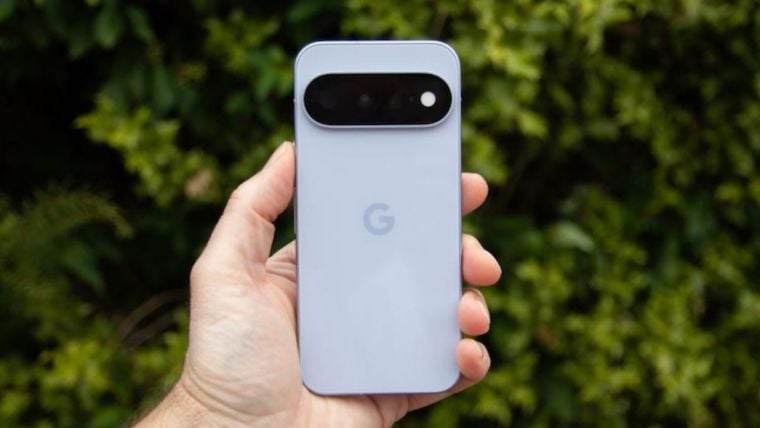


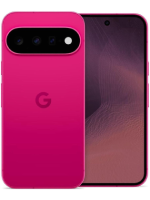
 Pixel 11


In the real world, Pixel 11 is more a refinement than a fundamental redesign of Pixel 10. The 6.3-inch body maintains a compact 152.8×72×8.6mm size and a weight of 197 grams. The well-recognised silhouette of a camera bar is made slimmer, and scratch resistance has been upgraded to ensure a more robust exterior. The size makes one-handed use easier than some of the bigger competitors and the 197-gram weight isn't extremely light for a phone in this size range. The phone's aluminum frame and updated camera bar give it a more streamlined feel, and while not truly groundbreaking, the overall design is pretty Pixel-y. The IP68 rating has kept the flag-ship brand position and the redesigned frontage offers useful durability without fundamentally new physical feel. That's how it can be more clearly identified as a compact camera-oriented flagship instead of a deliberately stripped down iteration of the Pro. It's not a coincidence that it's so restrained.
The 6.3" OLED display is crisp, responsive and much brighter than previously, with a peak brightness of 3,000 nits. It comes in a resolution of 1080×2424, which is enough for regular use and has a maximum refresh of 60–120Hz to ensure smooth animation. The Pixel 11, on the other hand, does not come with the Pro's LTPO panel which allows to dynamically reduce the refresh rate to 1Hz. That's important for efficiency and display specs in the premium lineup, especially when compared to competition that boasts impressive specs in a comparable line-up and range of prices.
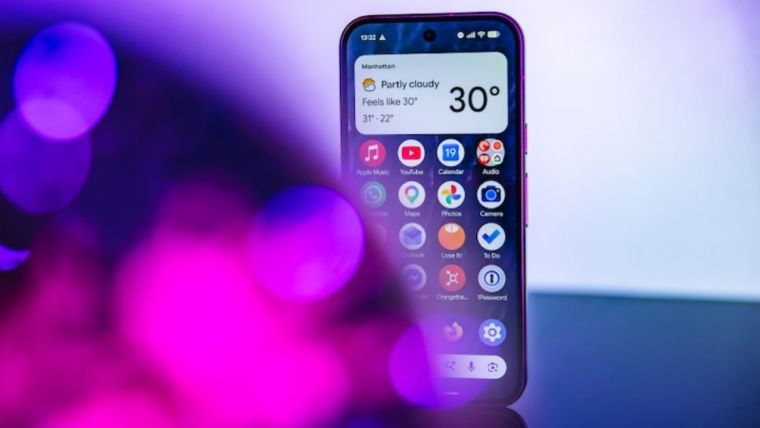
Tensor G6 is the central performance upgrade. The new chipset provides Pixel 10 with 25 percent more speed in web browsing and 15 percent more speed in app launches, Google claims, while 12GB RAM expansion means that even the standard variant has far more breathing room than the older base Pixels. Daily applications, image processing and other Gemini features are responsive as is, yet Tensor G6 remains built to handle AI jobs over best gaming. Snapdragon-based competition remains the better bet for having superior graphics capabilities, and for emulation and demanding graphics-heavy tasks.
Photography is the Pixel 11’s most distinctive hardware improvement. Its new 48MP main sensor captures 56 percent more light than its predecessor, while the 13MP ultrawide and 10.8MP 5x telephoto expand framing flexibility. Tensor G6 enables 30x Super Zoom, and Google adds Camera Looks for deeper control over image processing. Results are especially persuasive in difficult lighting, although extreme digital zoom remains computational rather than equivalent to a longer optical lens. The 10.5MP front camera is adequate but less ambitious than the 42MP unit used by Pixel 11 Pro.
The battery capacity increases to 4,985mAh while Google-powered 30W wired charging, and 25W Pixelsnap wireless charging come with the phone. While this could still beat the Pixel 10 in endurance and Google is pledging substantial battery life, the price won't come close to some Chinese flagship phones which boast higher wattage. Pixelsnap also requires compatible accessories to exploit its magnetic convenience.
So, if you value Google's camera processing, Gemini features, compact dimensions and software longevity, then the standard Pixel 11 is the perfect choice for you. The downside, though is obvious: lesser sustainability, slower charging, no LTPO display, and lesser feature fulfillment in the front-facing camera used by the Pro.

|
Tensor G6 delivers meaningful performance improvements over Pixel 10’s processor platform. |
|
|
New 48MP sensor captures substantially more light during difficult scenes. |
|
|
Five-times telephoto provides useful optical reach within compact dimensions. |
|
|
Three-thousand-nit brightness significantly improves outdoor screen visibility under sunlight. |
|
|
Four-thousand-nine-hundred-eighty-five mAh battery strengthens all-day endurance for typical usage. |
|
|
Twenty-five-watt Pixelsnap charging adds convenient magnetic wireless charging capability. |
|
|
Twelve gigabytes RAM provides strong multitasking headroom for demanding applications. |

|
Non-LTPO display lacks the Pro model’s finer adaptive refresh control. |
|
|
Tensor G6 remains weaker for sustained gaming than Snapdragon competitors. |
|
|
Thirty-watt wired charging trails several faster-charging Android flagship competitors. |
|
|
Ten-point-five-megapixel selfie camera lacks the Pro’s higher-resolution front sensor. |
|
|
Extreme 30x Super Zoom cannot replace genuine longer-range optical hardware. |